
Table of Contents
Introduction
SaaS pricing has become increasingly complex. Monthly subscriptions, annual commitments, add-ons, usage-based pricing, and constant “limited-time offers” have made it difficult for users to understand what they are actually paying for.
To simplify this, many users turn to SaaS coupon and discount websites. Unfortunately, this often creates a new problem: most SaaS discount listings are inaccurate, expired, or misleading.
This article breaks down why traditional SaaS coupon sites fail, the risks they create for buyers, and how users can approach SaaS deals more intelligently.
The Core Problem With SaaS Coupon Sites
Most coupon websites were originally built for eCommerce — not SaaS.
That difference matters.
SaaS pricing changes frequently. Discounts are often:
- Limited to specific plans
- Restricted by region or account type
- Valid only for new users
- Time-bound or manually approved
Coupon sites, however, rely heavily on:
- User-submitted codes
- Automated scraping
- Mass duplication across hundreds of pages
As a result, users click “Apply Coupon” only to discover:
- The code doesn’t work
- The offer has expired
- The discount applies to a different plan than expected
This creates frustration and erodes trust — not only in the coupon site, but in the SaaS brand itself.
Why Expired SaaS Deals Are More Harmful Than You Think
An expired SaaS discount isn’t just a minor inconvenience.
For startups, freelancers, and small businesses, pricing decisions often impact long-term budgets. When a user signs up expecting a discount that doesn’t apply, they are forced into one of two bad choices:
- Abandon the tool entirely
- Commit to a higher cost than planned
Both outcomes hurt the user experience.
From the SaaS company’s perspective, this also leads to:
- Lower conversion rates
- Higher churn
- Increased support tickets
The issue isn’t discounts themselves — it’s unverified discounts.
How SaaS Buyers Can Avoid Bad Deals
Experienced SaaS buyers don’t rely on random coupon pages. Instead, they follow a few practical rules:
1. Verify the Source
If a site lists hundreds of SaaS tools with identical “50% OFF” claims, that’s a red flag. Real SaaS deals are usually selective and limited.
2. Look for Context, Not Just Codes
Legitimate discounts often come with explanations:
- Who is eligible
- Which plans are covered
- How long the deal lasts
If there’s no context, assume the deal is unreliable.
3. Prefer Curated Deal Platforms
Some platforms focus on verified SaaS deals only, where discounts are manually checked and updated. These tend to be more accurate than open coupon databases.
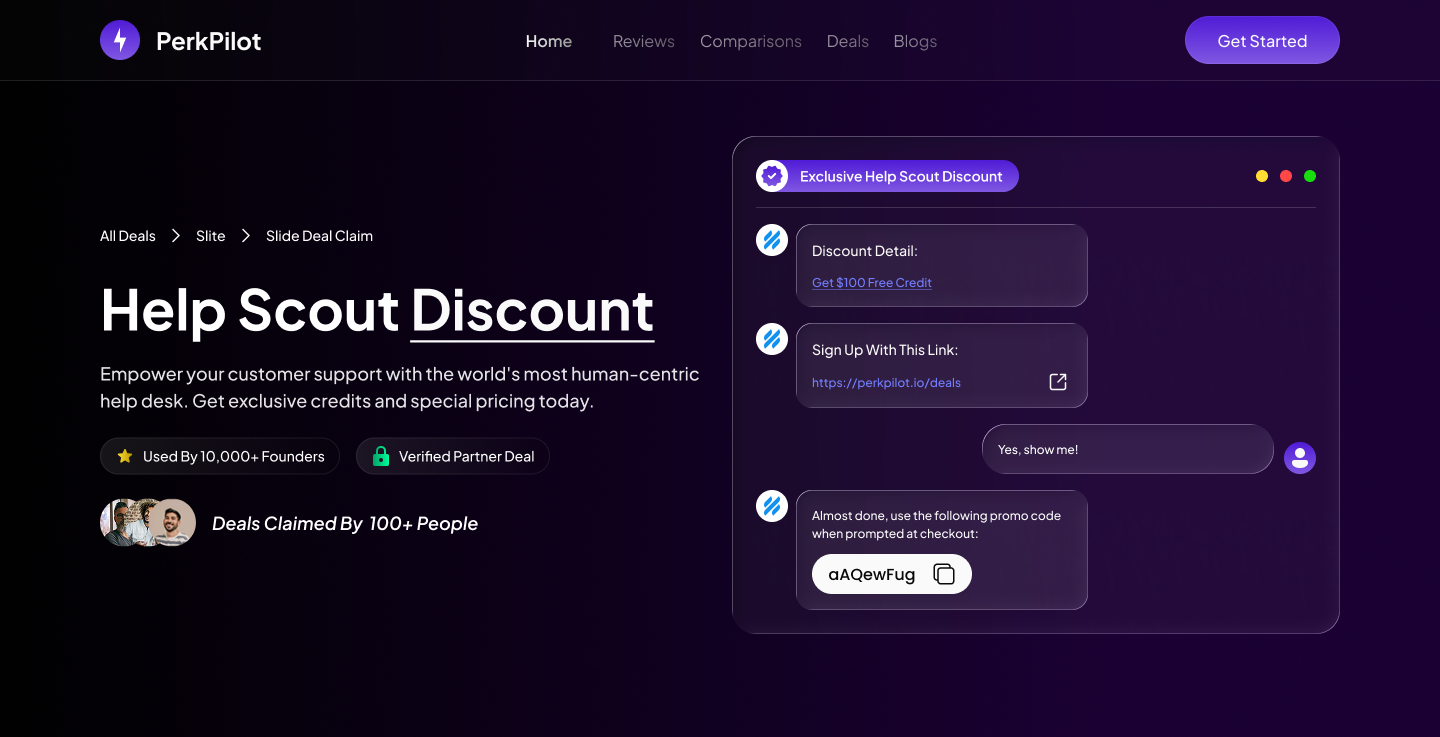
For example, platforms like Perkpilot.io focus on listing only active, verified SaaS offers rather than mass-publishing unconfirmed coupon codes. This approach prioritizes accuracy over volume — something traditional coupon sites often ignore.
The Shift Toward Curated SaaS Deal Discovery
As SaaS buyers become more informed, there’s a clear shift happening:
- Away from generic coupon websites
- Toward curated deal discovery platforms
These newer platforms act less like coupon dumps and more like:
- Software recommendation hubs
- Deal verification services
- Trust-based discovery layers between SaaS companies and users
This model benefits everyone:
- Users save time and avoid frustration
- SaaS companies protect brand trust
- Publishers provide real value instead of recycled content
Final Thoughts
SaaS discounts aren’t going away — but the way users find them is changing.
In 2026, smart buyers don’t chase random coupon codes. They look for verified, transparent, and well-explained offers from sources that prioritize accuracy over scale.
If you’re relying on outdated coupon tactics, it may be time to rethink how you discover SaaS deals — because the cheapest option isn’t always the best one, especially when the discount doesn’t actually exist.